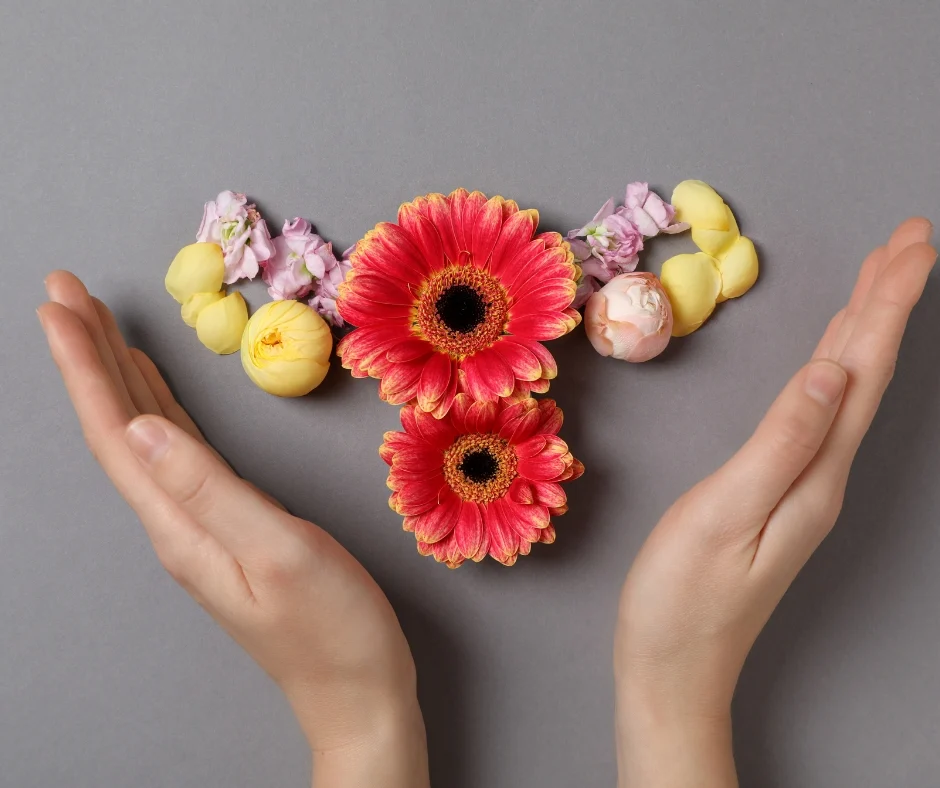
Perimenopause is the transitional period that precedes menopause, and it can last several years. During this time, hormone levels — especially estrogen and progesterone — gradually decline, causing a range of changes in the body and in mood. Although these changes are natural, they aren't always easy, and they don't affect everyone the same way. Most women don't recognize them right away — they often chalk everything up to stress or fatigue.
So let's take a look at what actually happens during perimenopause and how we can help ourselves.
Irregular cycles and heightened PMS
One of the first signs of perimenopause is a change in your menstrual cycle — it can become shorter, longer, heavier, or completely irregular. Heightened PMS, tender breasts, and unpredictable cycles are often the result of irregular ovulation.
Mood changes and feeling like "you're not yourself anymore"
Feelings of irritability, anxiety, lack of focus, and mood swings are common in perimenopause. The reason is hormonal fluctuations that affect the neurotransmitters in your brain. If it feels like your fuse is shorter than it used to be — you are not the problem; your body is trying to establish a new balance.
Sleep problems
Can't fall asleep? Waking up too early? Feeling tired even when you get enough hours of sleep? All of this can be connected to the drop in estrogen and progesterone, the body's natural sedatives. A lack of quality sleep further affects your energy, appetite, and stress tolerance.
Weight gain driven by hormones
Hormonal fluctuations increase appetite, and the body increasingly stores fat around the belly. Even if you're eating and training exactly like before, you may no longer be seeing the same results. That's why it's essential to adapt your nutrition and exercise to your body's new needs.
How can you support your body?
During this period, I would advise you to focus on nutrition that supports stable energy and hormonal balance. Include a quality source of protein in every meal — for example eggs, fish, chicken, reduced-fat Greek yogurt, skyr, or legumes.
You should by no means avoid fats — you just need to know which ones are the best choice. Healthy fats such as olive oil, nuts, and avocado support your hormonal function.
Instead of refined carbohydrates, choose complex ones from whole grains, legumes, and vegetables — they'll keep you full longer and keep your blood sugar more stable.
For women experiencing bloating or digestive issues, fermented foods such as kefir, tempeh, or sauerkraut can be very helpful. Their role in maintaining the gut microbiota has wider effects — on immunity, mood, and digestion.
Physical activity: a priority, not an option
I would recommend focusing on regular strength training — even twice a week can make a big difference. In addition, combine it with light walks, yoga, or other forms of movement that help you feel connected to yourself. Exercise during this period isn't just about how you look — it's a tool for stabilizing your hormones, energy, and mood.
Sexual health and body care
If you've noticed vaginal dryness, decreased libido, or discomfort during intercourse — you're not alone. It's rarely talked about, but local estrogen therapy or moisturizing products can help enormously. And so can talking about it — with your partner, your doctor, or a professional you trust.
You may also notice changes in your skin and hair — dryness, loss of shine, thinning hair. It's not your fault, and you're not doing anything wrong. Your body is telling you it needs a new routine — in nutrition, in skincare, and in how you care for yourself.
Your body is sending you signals — listen to it
Perimenopause is a period in which your body is changing. Don't try to force old habits that no longer work — adapt them. You don't have to go through this alone, and you don't have to settle for feeling exhausted, frustrated, and misunderstood.
If you need guided support with nutrition, planning your movement, or simply understanding what exactly is going on — I'm here. I can help you lay foundations that will serve you not just now, but in the years to come.