
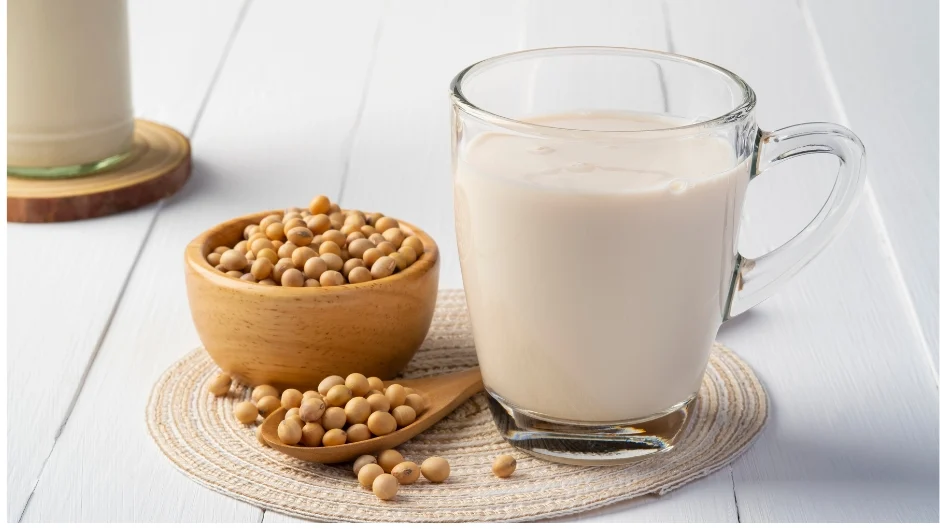
Soy is one of the most controversial foods in the world.
Some praise it for its major health benefits, while others believe it has no place on our plates.
What do the facts say?
Soy is a plant that has been part of the human diet for thousands of years, especially in Asian countries, where it has traditionally been a dietary staple. Over the past few decades, soy has become popular in the West as well, thanks to its potential health benefits and versatility in cooking.
Soy is a rich source of protein, which makes it an ideal meat substitute in vegetarian and vegan diets. Soy protein is a complete protein, meaning it contains all nine essential amino acids that the body cannot produce on its own. In addition to protein, soy is rich in fiber, vitamins (especially B vitamins), and minerals such as calcium, magnesium, iron, and zinc.
Among the most studied compounds in soy are isoflavones — phytoestrogens that can mimic the action of estrogen in the body. This has led to concerns that consuming soy might affect hormonal balance.
However, research shows that soy isoflavones have a much weaker effect than human estrogen, and that their action can vary depending on many factors, including sex, age, and overall health.
One of the most important reasons soy is recommended as part of a healthy diet is its potential positive effect on heart health. Scientific evidence shows that soy consumption can lower LDL cholesterol (the so-called "bad" cholesterol) in the blood, which reduces the risk of cardiovascular disease.
Soy may also play a role in maintaining bone health. Soy isoflavones can help preserve bone density, especially in postmenopausal women, when estrogen levels decline and the risk of osteoporosis rises. Research suggests that regular soy consumption may reduce the risk of bone fractures.
One of the most controversial topics related to soy is its potential impact on cancer risk. Although early research raised concerns that isoflavones might increase the risk of breast cancer, more recent studies suggest the opposite.
In fact, soy consumption may have a protective effect, especially in women who consume soy from an early age. Soy may also reduce the risk of prostate cancer in men.
Soy is a nutrient-rich food that can be part of a healthy diet, provided it is consumed in moderate amounts.
Scientific evidence supports its role in reducing the risk of heart disease, maintaining bone health, and possibly lowering the risk of certain types of cancer.
Despite some controversy, most research indicates that soy is safe and beneficial for the majority of people.
As with any food, the key lies in balance, moderation, and variety in your diet.